Existing Buildings

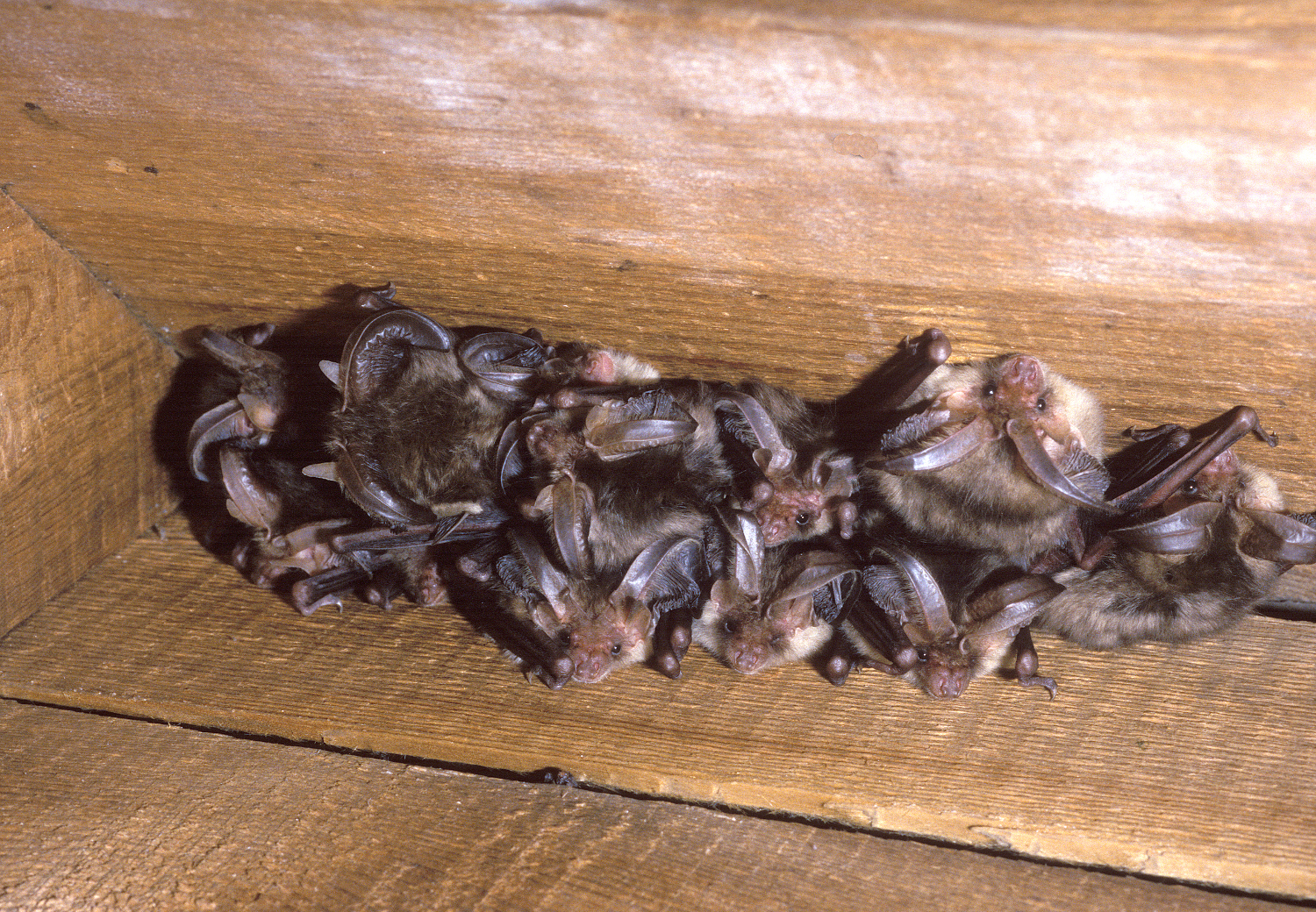
Building interior with bat droppings (N Tomlinson)Many bats use buildings for roosting, and it is vital for the future of our bat populations that any building or maintenance work takes bats into account from the outset. 

By taking bats into account prior to starting work, you will:

  • Minimise any costs and delays
  • Help to avoid disturbing bats or their roosts, which means you will be avoiding the risk of prosecution and helping to conserve an important protected species.

This section of the website looks at some of issues around bats and building maintenance that may be of help to the building industry and bat workers. These are all ongoing areas of work and will be regularly updated with progress.

Practical information:

Find out about the work BCT is doing on:


Breathable Roof Membranes

Breathable roof membranes have become widely used in recent years. Although originally designed for use as part of a continuous breathable/airtight barrier, they are also used in conventional, ventilated build. There are a wide range of breathable membranes available and a provisional list including key distinguishing features will be posted on the website soon. It has become apparent that at least some of these membranes, in certain circumstances, can be detrimental to bats, although in other cases they have been reported as appropriate for use in some roosts. To attempt to clarify the position, a questionnaire was made widely available to all bat workers (researchers, volunteers, consultants). This questionnaire is still available from cwilliams@bats.org.uk and will shortly be available direct from these webpages. Ongoing feedback is important so please do continue to send in completed forms.

BCT has taken the feedback from the questionnaires received thus far and collated this into a summary document. With this information BCT has worked with DuPont (the manufacturers and distributors of Tyvek, the most widespread breathable membrane). They have commented on the bat workers suggestions for mitigation and made suggestions for small amendments to make this suitable for Tyvek to retain its functionality. However, this may not be applicable to other brands of membrane.

Current situation

Short term: BCT has circulated to all other breathable membrane manufacturers and distributors the collated information from bat workers and comments from DuPont and invited their input on specific features of their membranes that may be beneficial to bat roost use; relevant mitigation; etc. A discussion forum/workshop with bat workers and the breathable membrane industry would be desirable if there is enough input from the industry.

BCT has been made aware that some manufacturers are reporting their products as 'bat friendly'. This has not been sanctioned by BCT or Natural England. No manufacturer has so far been forthcoming in taking ownership of this claim or substantiating the reasons for it. Further information on this would be useful.

Medium term: BCT will work with bat workers towards producing a general breathable membranes mitigation document.


Cavity Wall Insulation

It is known that bats use cavity walls to roost in during all seasons. The degree of importance per species and per season is difficult to discern due to the inaccessibility of the structure. Concerns about the carbon footprint of housing stock has led to even greater emphasis on having cavity walls insulated. This has given greater importance to understanding bats' use of cavity walls and identifying suitable mitigation measures where bat roosts are present.

A questionnaire was made available to all bat workers (researchers, volunteers, consultants) on experience of bats in cavity walls and the questionnaire is still available from cwilliams@bats.org.uk (and shortly direct from these webspages) for any ongoing input.  The findings from the feedback were collated into a summary document to be posted onto these pages in the near future. 

Current situation

BCT has formed a positive working relationship with the National Insulation Association and a mitigation document for use by bat workers and the industry is in the final stages of preparation to the first draft for consultation. There is a final technical difficulty to overcome with regard partial fill and manufacturers have been working with BCT to overcome this.


Building Regulations

Amendments to the Building Regulations in 2006, largely driven by the need to reduce the carbon footprint of building stock, has at times come into potential conflict with bat mitigation. Questions pertaining to the Building Regulations have been collected and a document prepared, for use by the building industry and bat workers, that attempts to clarify the situation. The answers given to the questions and other technical input in the document will be verified by an expert at which stage the document, in its first draft, will go onto the website. It is anticipated that document will undergo frequent updates as more situations that require clarification become apparent and as further anticipated amendments to the regulations occur. These changes to the Building Regulations have been implemented in England, Wales, Scotland and Northern Ireland.


Demolition

BCT is aware that concerns have been rasied over the process for demolitions where they are not part of a planning application. Where this occurs an S80 demolition notice is completed by the applicant and an S81 issued by a Building Control Officer at the local authority. In most cases the S80 form supplied by the local authority does not include a question on protected species and therefore it would seem likely that in many cases the presence of bats could be overlooked.

BCT is working with the Association of Local Government Ecologists (ALGE), the Chartered Institute of Building (CIoB), CCW and others to address this matter and raise awareness of local authority duty in this situation.